
Bangladesh’s First Female Prime Minister Khaleda Zia Dies Aged 80
Staff Reporter , Published: December 30, 2025, 1:42 am
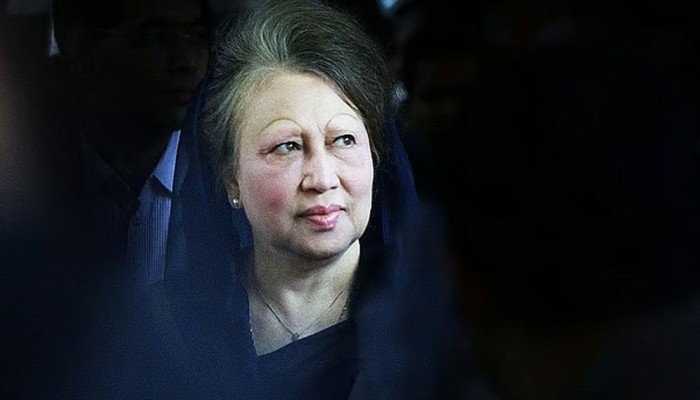
Khaleda Zia, Bangladesh’s first female prime minister and a central figure in the country’s political history, has died at the age of 80 following a prolonged illness.
Her party, the Bangladesh Nationalist Party (BNP), confirmed that she passed away early Tuesday morning at a hospital in Dhaka, where she had been receiving treatment for multiple health complications. Doctors had earlier described her condition as extremely critical.
Zia rose to power in 1991 after leading the BNP to victory in Bangladesh’s first democratic elections in two decades, becoming the country’s first woman head of government. Her political career was marked by a decades-long rivalry with Sheikh Hasina, which dominated national politics for years.
Following the assassination of her husband, former president Ziaur Rahman, in 1981, Khaleda Zia entered politics and later emerged as one of Bangladesh’s most influential leaders. Her first term was praised for restoring parliamentary democracy and promoting social development, while later terms faced criticism over electoral disputes and corruption allegations, which she consistently denied.
Despite being largely absent from public life in recent years due to ill health, Zia remained a powerful symbol of opposition politics. The BNP had earlier indicated she would take part in upcoming general elections.
Tributes poured in following her death, with interim leader Muhammad Yunus describing her as a “symbol of the democratic movement,” while India’s Prime Minister Narendra Modi said he was deeply saddened by her passing.