
Economic reliance vs. political narratives: Malta’s foreign labour debate deepens.
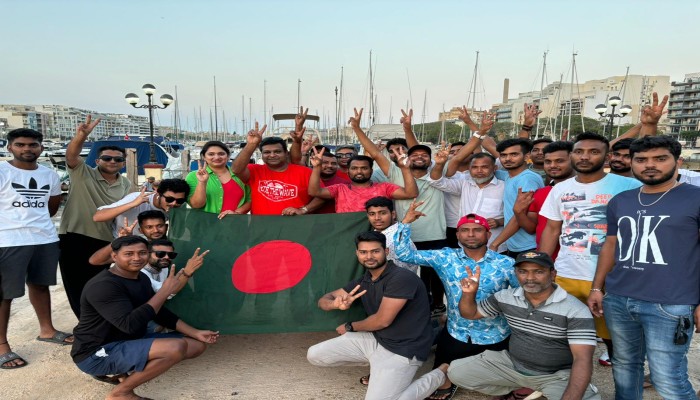
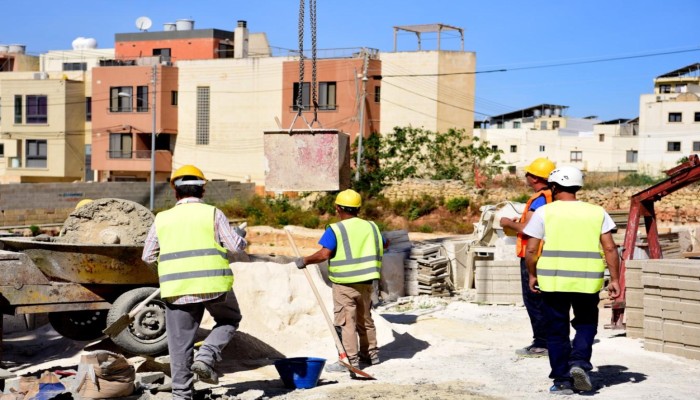 Photo Collected online
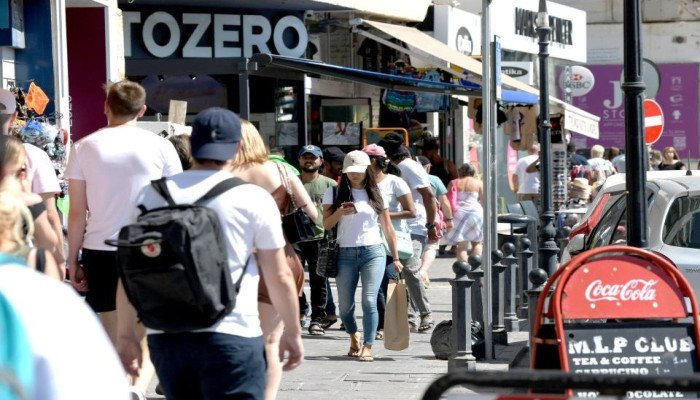
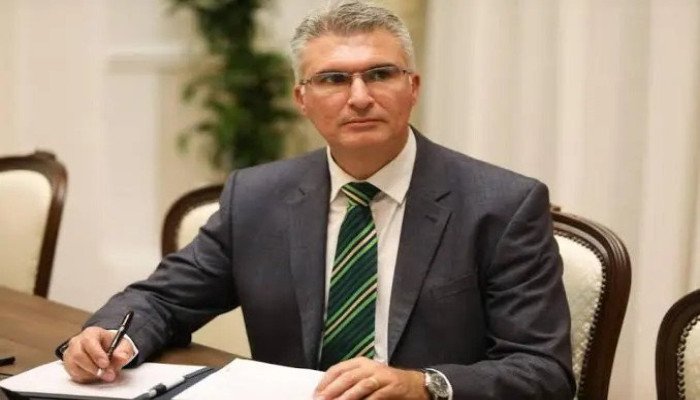
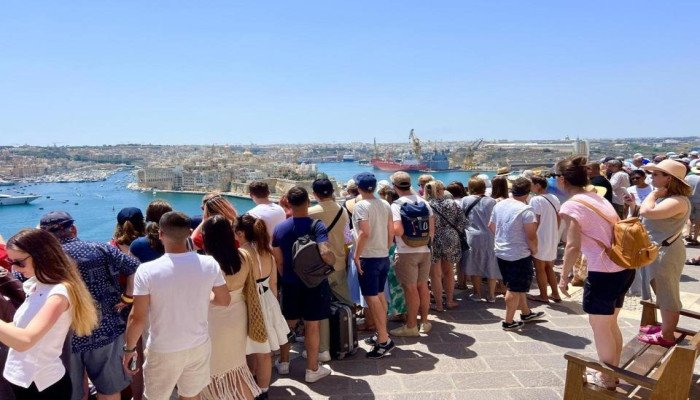
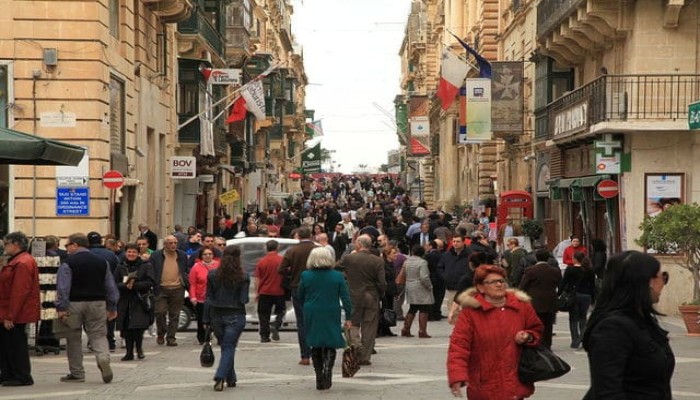
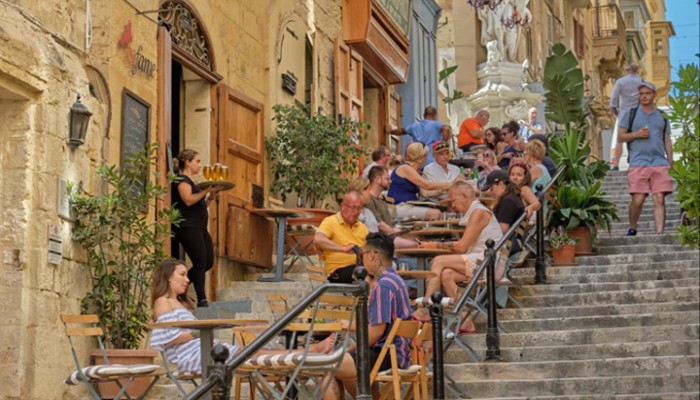
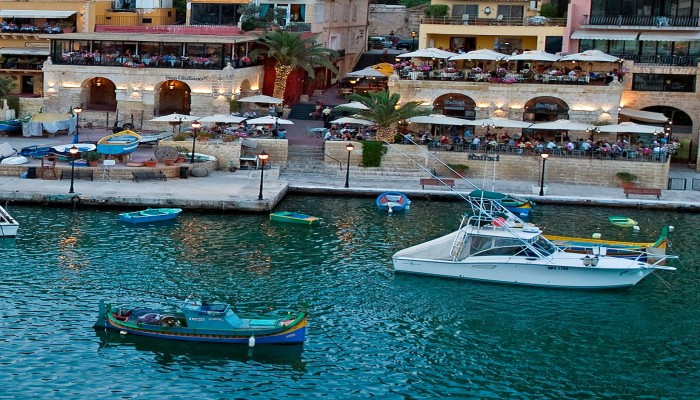
While Dr Delia warned about localities where foreigners now outnumber Maltese residents, demographic experts note that areas such as Sliema, St Julian’s, and St Paul’s Bay have historically attracted foreign residents—retirees, professionals, and high-skilled workers—particularly from the UK.
These regions host a significant portion of Malta’s gaming sector, whose employees are among the highest taxpayers and spenders in the country. Critics argue that Delia’s remarks overlook the crucial contribution of these communities to Malta’s economic growth.
Dr Delia’s comments did not address real concerns such as exploitation by landlords who overcrowd properties or employers who underpay workers.
However, recent labour reforms led by Minister Byron Camilleri and Parliamentary Secretary Andy Ellul, including an agreement between food courier associations and the General Workers Union (GWU), have been widely praised for strengthening protections for vulnerable workers.
Observers and industry stakeholders are now questioning whether Dr Delia’s comments reflect the official position of the Nationalist Party. Among the concerns raised:
How many of these so-called “chilling foreigners” does the PN intend to remove, and by what criteria?
Sectors already facing severe labour shortages await clarification.
Will the PN restrict gaming companies from expanding, given that these industries rely heavily on foreign professionals?
One in every five Maltese marriages now includes a foreign spouse.
Critics fear that inflammatory language may normalize discrimination against multicultural families and their children.
How will the PN’s proposal for a four-day workweek address the need for an estimated 50,000–60,000 additional foreign workers, especially in sectors not replaceable by AI?

One of the most pressing issues is the high cost imposed on TCN workers before they can even enter Malta. Each applicant must pay:
€600 – Identità Single Permit fee
€475 – Skills Pass fee
€250 – Identità Visa fee
€250 – VFS service fee
🔹 Total cost per applicant: €1,575
This excludes travel, medical exams, translations, document authentication, and recruitment agency charges.
With hundreds of applications rejected each year, both TCNs and employers lose thousands of euros, causing frustration and financial damage.
Beginning January 2026, new requirements—including cultural training, pre-departure skills training, and additional certification—will add even more steps and costs.
Stakeholders argue that instead of numerous fragmented requirements, Malta should provide a comprehensive, unified training programme for all incoming TCN workers.
Despite political rhetoric, data clearly indicates that foreign workers significantly strengthen Malta’s economy:
They fill critical labour shortages in hospitality, healthcare, construction, domestic care, food delivery, and waste collection.
They contribute millions in income tax, social security, VAT, rent, and daily spending.
Without them, many businesses would close, tourism would suffer, and essential services would struggle to operate.
As Malta continues to rely heavily on both high-skilled and low-skilled foreign workers, analysts urge political leaders to adopt responsible, fact-based messaging.
Inflammatory language risks dividing communities and undermining sectors that depend on a stable and diverse workforce.
Malta’s future, many argue, depends on a system that balances economic needs, fair procedures, and respect for all residents—including those who have travelled thousands of kilometres to contribute to the country they now call home.




















By commenting you are accepting our Comment Policy.